
Get Around Ad Blockers With Sponsored Articles
More than 6 billion people use the internet and about 30% of them block ads. Here is how sponsored articles help you reach them anyway.

Summary
More than 6 billion people now use the internet, according to DataReportal, and many of them have lost patience with conventional online advertising.
One reason is that people have learned they can avoid ads. They pay for ad-free tiers on streaming services and music apps, and skip what they don't want to see. Online, ads still appear whether they're reading the news, watching a video or shopping, so many have looked for a way out there too.
For many people, that way out is an ad blocker. This article looks at the problem ad blockers create for marketers and advertisers, and how sponsored articles can help you reach these audiences anyway.
What Are Ad Blockers?
Ad blockers are software that filter or block online ads. They are usually installed as browser extensions, but they also come built into some browsers, as mobile apps, or at network level.
An ad blocker stops the requests that load ads into the page. Users see the content they came for, such as a news article or a video, without banners, pop-ups or pre-rolls.
The Risks of Ad Blockers
Ad blocking is not going away. The eyeo Ad-blocking Report 2026 counts about 1.1 billion ad-blocking users worldwide at the end of 2025, or 30% of the internet population, up 13% since 2023. Growth now comes from mobile, with 629 million users (up 27%), while desktop use has slightly declined to 448 million.
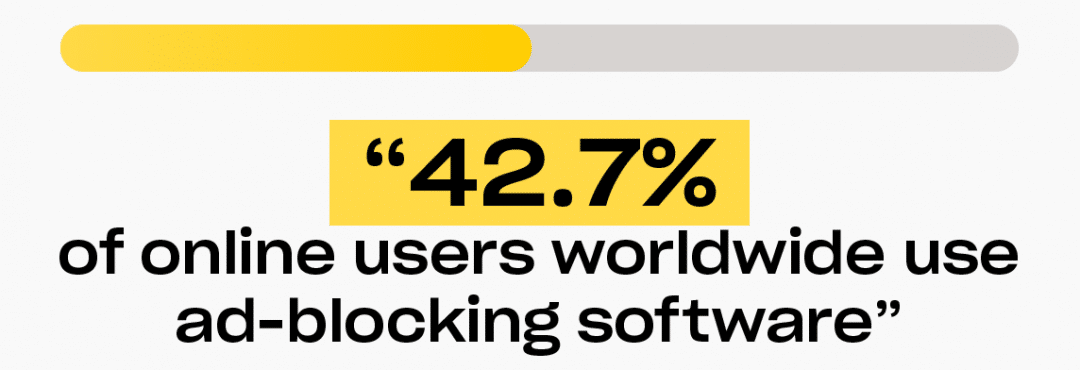
Most ad blockers are free and take seconds to install, so there is little to stop people from trying them.
The reasons people give for blocking ads are fairly consistent:
- There are too many annoying ads
- Ads take up too much screen space and slow pages down
- Ads might compromise online privacy
- Ads sometimes carry malware or cause glitches
So ad blocking is about more than removing an annoyance, though that remains the main reason. Many people see ads as intrusive or even risky.
Many consumers also feel that the ads they see aren't relevant to them. For marketers and advertisers, the goal is to reach the right audience, and failing to do so means wasting budget.
All of this shows why marketers need other ways to reach their audiences. Many consumers dislike the traditional ad format, and for nearly a third of internet users, traditional ads no longer show up at all.
Sponsored Articles: The Solution
Marketers have two main options to get their message in front of more people:
- Work only with publishers who ask users to turn off their ad blocker before accessing the site. This tends to backfire: readers feel forced, and some leave without reading anything.
- Complement traditional advertising with formats people actually want to read, such as sponsored articles.
A sponsored article is an article a publisher publishes on behalf of a brand, labelled as sponsored. It promotes the brand while giving the reader something useful, such as information, advice or entertainment.
Because a sponsored article is part of the page's editorial content rather than an ad slot, ad blockers don't filter it out. It is an effective alternative to banner ads and other display formats: readers seek it out instead of going out of their way to avoid it.
Readers open sponsored articles because they're interested in the topic and trust the publisher. They learn about a brand through a story or a practical explanation, rather than glimpsing a logo in a banner. The format encourages reader engagement and brand recall in a way a traditional ad rarely does.
It also reaches people beyond the publisher's own visitors. A sponsored article with a contextual link supports your SEO, and articles in recognised media are among the sources that Google's AI Overviews and assistants like ChatGPT draw on when they answer questions. Ad blockers have no effect there either.

Getting Started
Finding quality publishers for sponsored articles is easy if you know where to look. With Getfluence, you can collaborate with some of the most influential websites and press media among more than 70,000 vetted media, like the 5,000+ brands and agencies already using the platform.